

Gospel & Reflection for the Sixth Sunday in Ordinary Time.
Luke 6:17,20-26
Jesus came down with the Twelve and stopped at a piece of level ground where there was a large gathering of his disciples with a great crowd of people from all parts of Judaea and from Jerusalem and from the coastal region of Tyre and Sidon. Then fixing his eyes on his disciples he said:
‘How happy are you who are poor: yours is the kingdom of God.
Happy you who are hungry now: you shall be satisfied.
Happy you who weep now: you shall laugh.
Happy are you when people hate you, drive you out, abuse you, denounce your name as criminal, on account of the Son of Man. Rejoice when that day comes and dance for joy, for then your reward will be great in heaven. This was the way their ancestors treated the prophets.
‘But alas for you who are rich: you are having your consolation now.
Alas for you who have your fill now: you shall go hungry.
Alas for you who laugh now: you shall mourn and weep.
‘Alas for you when the world speaks well of you! This was the way their ancestors treated the false prophets.’
Reflection
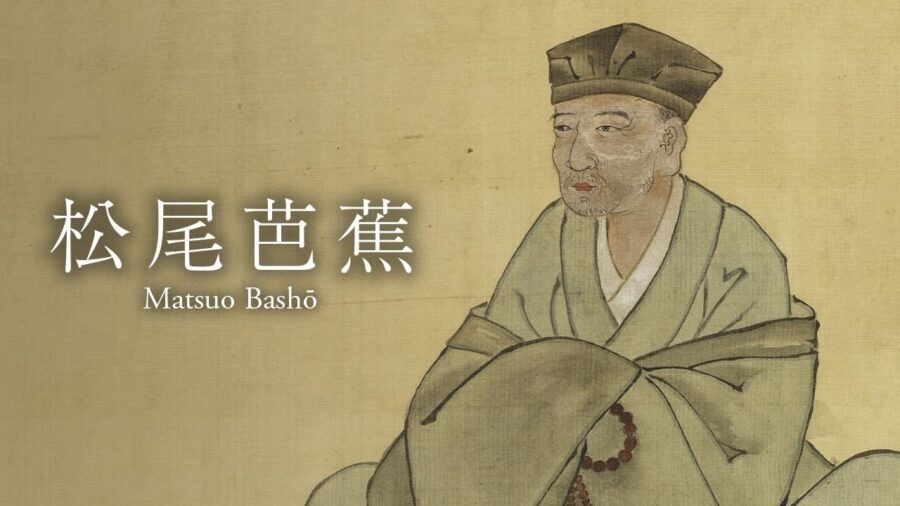
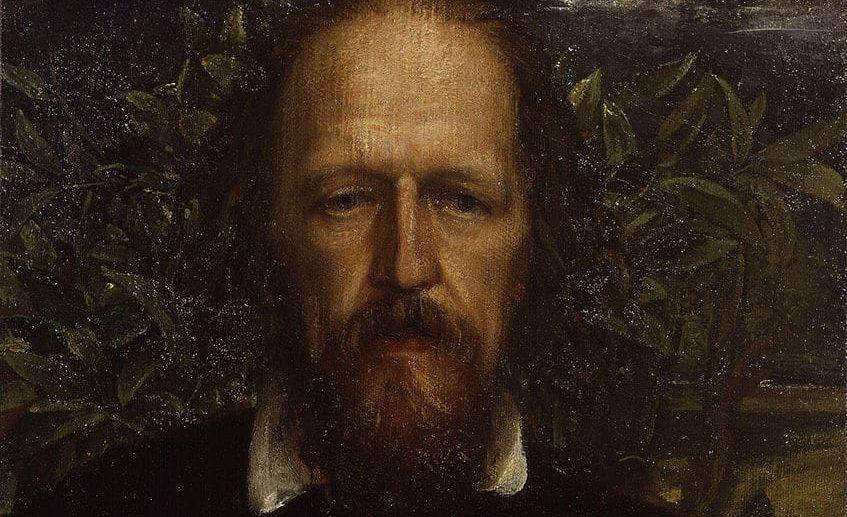
Friends, in 1863, the English Poet Alfred Lord Tennyson penned a poem titled ‘Flower in a crannied Wall’. In it, Tennyson describes the joy of finding a beautiful flower growing out of the crack of a wall near a well, and how without a moment’s hesitation he plucks the flower from the wall, root, and all. Interestingly, two hundred years before Tennyson, the Japanese Poet Basho also penned a poem about finding a flower, this time a flower peeking out from a hedge. But his response is quite different.
Tennyson reacted to the flower by plucking it out. He wants to have it, to possess it. Basho on the other hand does not want to pluck the flower; he does not even touch it. He is transfixed by the flower’s beauty, and in that moment of gazing at such a beautiful sight, all he can do is let out a sigh of extreme contentment. Two different responses to something so beautiful, and two vastly different results.
One wanted to have the flower, the other wanted to be the flower. But by having the flower, Tennyson kills it; by wanting to be the flower, Basho lets it live.
In our Gospel for this weekend, we listen to St. Luke’s account of the Beatitudes. In presenting them, Jesus was speaking first of Himself and then of all people. Christ is uniquely the person portrayed in the Beatitudes. He is poor in spirit, in that He depended on God for everything; He hungers for what is right, for what God wants, and is prepared to suffer to bring that about. He weeps because God’s will is not being done on earth as in heaven. He is criticised and condemned because of the good He does and the truth He professes, but He witnesses to that good and truth despite the suffering.
Yet, Jesus was also showing us the kind of person that He calls us to be and can empower us to be through His Spirit. He is saying that the people who live out the Beatitudes, who live by these divine attitudes and values are truly blessed and genuinely happy. They will know the Lord’s joy in this life and in eternity. So, in the Beatitudes, Jesus is putting before us a way of life that is worth striving for. He offers a happiness unlike any other.
But just what type of happiness do we strive for in this life? Is it God’s version or our own?
The happiness, the blessedness that Jesus speaks of is quite different to how the world and people today understand being happy or blessed. There are many contenders who claim to offer true happiness in many ways, and through many things. But such offers of happiness seem only to be that which we must chase, hope for, or wish for in the future. It is more a hope than a reality. Even if we do experience it, in possessing it, just like Tennyson’s flower, it fades away quickly. It slips easily from our grasp, and we begin the search and the chase again.
The happiness that Christ offers is much more stable and permanent. It is a serene and untouchable joy; a blessedness, a contentment at the core of our being which cannot be disturbed or broken. It comes to us, like Basho, simply in our way of being – being content, grateful, and aware. Instead of wishing, hoping, and chasing, we find it in stopping, admiring and appreciating what we have now.
This is the opposite of the competitive and grasping notion of happiness of the world, but instead gives space to God in one’s life, to help us to be who God calls us to be and to experience what God wants us to experience. As we become more like God, as we become more and more people of the Beatitudes, the wonderful promises that Jesus makes at the end of each beatitude, will come to pass for us. Those promises are a joy worth striving for, a contentment worth having, a life worth living.
Fr. Richard