


Gospel For The Seventh Sunday in Ordinary Time.
Luke 6:27-38
Jesus said to his disciples: ‘I say this to you who are listening: Love your enemies, do good to those who hate you, bless those who curse you, pray for those who treat you badly. To the man who slaps you on one cheek, present the other cheek too; to the man who takes your cloak from you, do not refuse your tunic. Give to everyone who asks you, and do not ask for your property back from the man who robs you. Treat others as you would like them to treat you. If you love those who love you, what thanks can you expect? Even sinners love those who love them. And if you do good to those who do good to you, what thanks can you expect? For even sinners do that much. And if you lend to those from whom you hope to receive, what thanks can you expect? Even sinners lend to sinners to get back the same amount. Instead, love your enemies and do good, and lend without any hope of return. You will have a great reward, and you will be sons of the Most High, for he himself is kind to the ungrateful and the wicked.
‘Be compassionate as your Father is compassionate. Do not judge, and you will not be judged yourselves; do not condemn, and you will not be condemned yourselves; grant pardon, and you will be pardoned. Give, and there will be gifts for you: a full measure, pressed down, shaken together, and running over, will be poured into your lap; because the amount you measure out is the amount you will be given back.’
Reflection
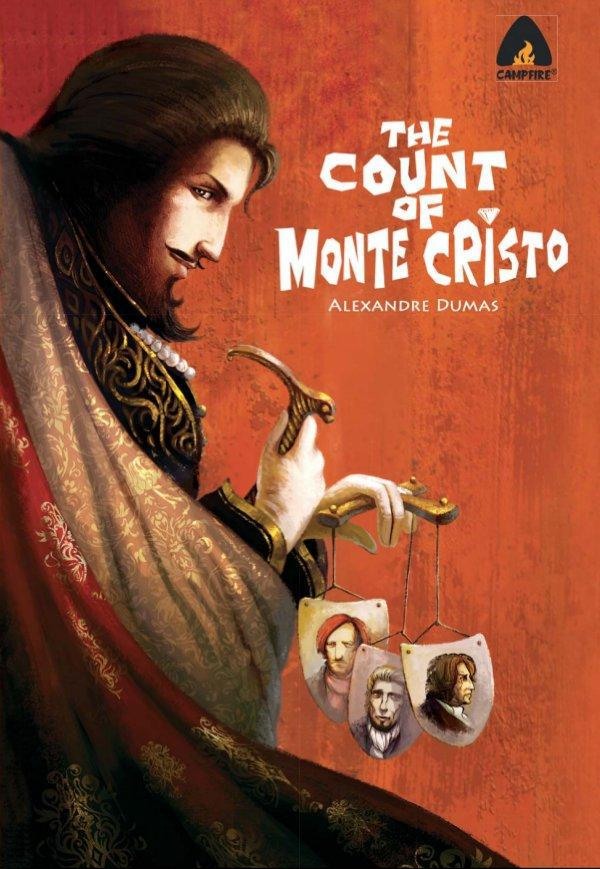
Friends, I have always loved Alexandre Dumas’s novel ‘The Count of Monte Cristo.’ Even the many films based on the novel have always been wonderful adventure stories, worth repeated viewing, although the screenplays have always been much lighter in tone, than the callousness of the novel.
As we know well, it is a brilliant story of intrigue and retribution, revenge, and redemption. Imprisoned without trial for a crime he did not commit, Edmond Dantès spends fourteen bitter years in the dungeon of a terrifying prison. Throughout the years he waits, his heart and mind growing bitter and angrier. When a daring escape plan works, he uses all he has learnt from a fellow prisoner during his incarceration, to mastermind an elaborate plan of revenge, one that will bring punishment to those he holds responsible for his dark fate. No longer the naïve young man who disappeared into that dark and unforgiving fortress all those years before, he emerges and reinvents himself as the charming, mysterious, and powerful Count of Monte Cristo.
Even though a story of revenge, it is a tale that appeals to many people. It appeals, I think, because we often do not consider the actions of Edmond Dantès as being vengeful, but more about justice and right. The Count of Monte Cristo is the original superhero, the first caped crusader, righting all wrongs and holding to account those he sees as corrupt. His victory over personal injustice and adversity, appeals to our experiences of unfairness, and our deep desire for a similar justice and accountability. We all wish for the wrongs inflicted on us to be righted.
Yet, at the end of the novel, Edmond Dantès, masquerading as the Count of Monte Cristo, could only exact a remorseless vengeance for a fleeting period of time. Eventually, his heart softens and as his self-given title suggests, his life’s path finally reaches ‘Monte Cristo’; he arrives at the ‘mountain of Christ’ in his heart and mind. He sees a better way; he acknowledges a greater truth. He takes his leave for a new, more peaceful and forgiving life, leaving by saying: ‘all human wisdom is contained in these two words: ‘Wait and Hope’’.
Well, reaching a different place in our hearts and minds is what our readings this weekend are all about.
David refuses vengeance on his enemy Saul in our first reading, not wishing to harm the King whom God had anointed as the leader of His people. St. Paul, in our second, notes the difference in a person living by worldly thinking rather than by heavenly ways. In our Gospel, Jesus asks for those heavenly ways to be effective in how we respond to the difficult experiences of life; asking for a change of heart and a new way of thinking.
Jesus calls us away from the modern acceptance and approval of retribution and retaliation, repaying like for like. Instead, He challenges us to do something greater, more heavenly. What He asks for is very demanding, but better for us and the world in which we live. He asks for mercy, love and forgiveness and to practice them, as He Himself did, even at the Cross.
The rubble of Gaza, the triumphant parading of the remains of innocent victims, including children, before the world, the social upheaval in America, the rise of the radical-right all across Europe including Ireland, the swift defence of the use of Artificial Intelligence but the indifference to the destruction of the rights and needs of human life in so many ways, to name but a few things, they show us how far out of touch we are in the world today; how far we have gone down a path devoid of any decency, wisdom, understanding, and compassion. Selfishness, personal and national ambition, they have taken the lead, and too many are following.
Today, the Lord asks us to take a step back, and take a long, deep look at ourselves, and our world. He calls on us to arrive sooner rather than later at the mountain of Christ, and to see a better way and a greater truth that can be lived and witnessed to; a way and truth that can make our world and its people, all the better.
We can but ‘wait and hope’ that many will do just that.
Fr. Richard