
Gospel & Reflection for the Third Sunday of Advent.
Reflection
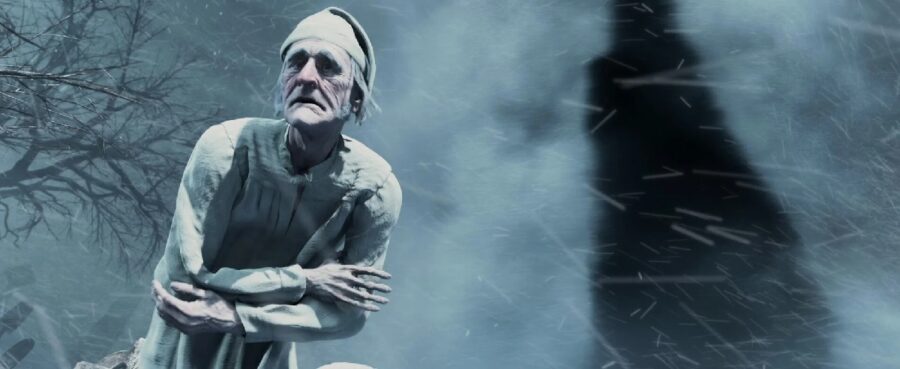
While not the inventor of Christmas by any means, we all know that Charles Dickens is the person credited with reinvigorating and rebranding the Christmas season. There was a time during the 19th century when the popularity and understanding of Christmas was in decline. It was a sedate, religious, and strictly highborn affair. But through his writing, especially the classic ‘A Christmas Carol,’ Dickens shifted the focus of the Christmas season to a more charitable, socially conscientious time; where kindness, reconciliation, and benevolence came to the fore. All of this of course, wrapped up in the character of Ebenezer Scrooge, a name no one wants to be associated with at any time, especially Christmas!
Well, at least not linked with being a ‘Scrooge.’ But have we ever considered what it might mean to be an Ebeneezer? You may or may not know, but ‘ebenezer’ comes to us from the Bible, where it refers to a huge stone marker used by the Prophet Samuel to indicate a specific place and moment in time, where a once downtrodden and doubting people, turned their heart and faith back to God. When they did, Samuel erected a memorial stone to celebrate their restored faith and trust, and he named it “Ebenezer” meaning “the Lord has helped us.”
That stone commemorated the people’s conversion back to God, where they trusted once more in God’s presence, assistance, and love, which is also what happened to Mr. Scrooge. He converted, he turned his life round, going from being hard-hearted to loving, resentful to generous, isolated to being included. The ‘scrooge’ became an ‘ebenezer’ – he became a helper to everyone.
No doubt about it, but Christmas is an ebenezer time, a time of being an Ebenezer.
Christmas gives us a perspective on everything that is nearly impossible to have at any other time and if we have to change, if we wish to change in some way, this is the season for it. We see things differently; we see people differently; we see ourselves differently. The beauty of life and humanity, of what we are willing to do for each other, this comes alive in us all in a way that does not seem possible or achievable at any other time. It is simply wonderous the vision we have, the vision we hope for, the vision we all try to make real for ourselves, our families and community at Christmas time.
We help in creating unity within the family, while hoping for unity among all people. We help in offering hospitality, space, and welcome in our homes, mindful of how fortunate we are to have somewhere to call home and to feel at-home because many do not. We help in creating peace by offering peace to each other, while also praying for peace in our very troubled world. We help in reaching out to others especially in our generosity and giving, hoping to make but even a small difference in the lives of those less fortunate. Simply put, in our homes and community, we try to live and make real the bigger vision of help we dream of, for the world.
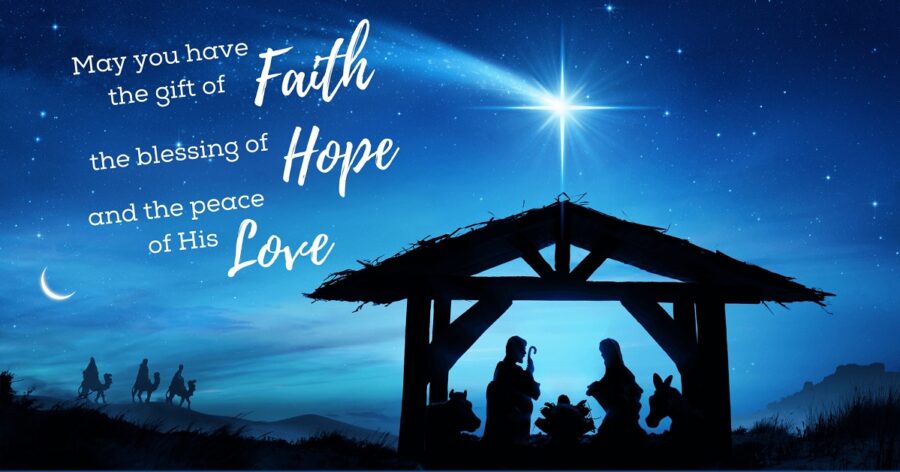
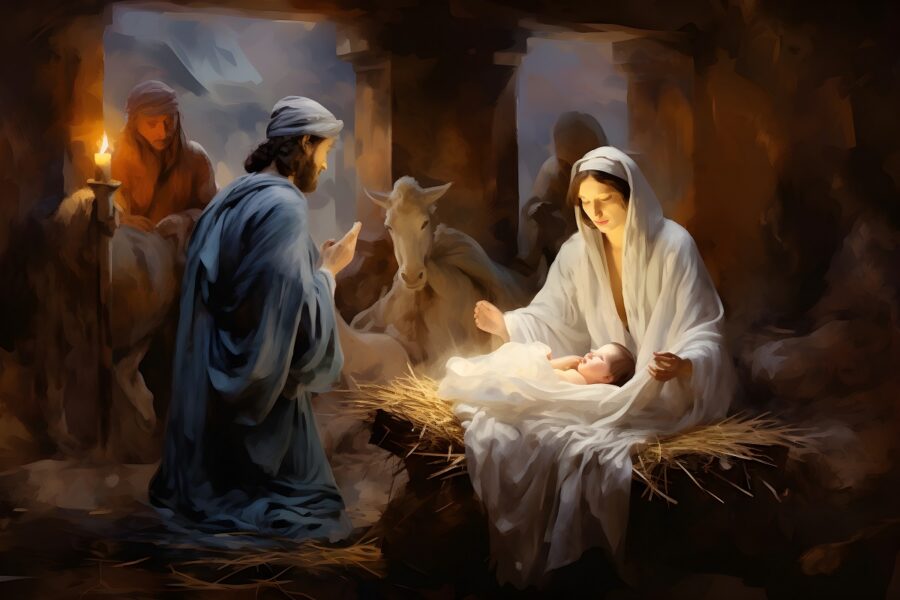
The wonder of that vision, the wonder of our ebenezer deeds, it is of course all based on the wonder and praise we have of God at Christmas. The greatest story of all and which captures our imagination still, is the Christmas Story, where we celebrate and experience God in an extraordinary way. No longer unseen, or beyond, we see Him, hear Him, and hold Him. Like us, He is vulnerable, and in need; yet He is surrounded by love, care, and warmth. Mary, Joseph, and the Shepherds are together entranced in the wonder of the vision before them. There is Emmanuel, God with them, God with us.
Friends, let us allow our gathering in trustful faith this evening be our marker of change for us all, where we decide not just for Christmas, but all year round, to be our own ebenezer, where we remember that in the love and generosity, support and inclusion of our own lives, we are sharing also in the nature of God, visible to us all in the child Jesus, sent to us to be our help.
May you all have a peaceful and holy Christmas.
Fr. Richard