
Gospel & Reflection for Mission Sunday 2025
Missionaries of Hope to all the Peoples
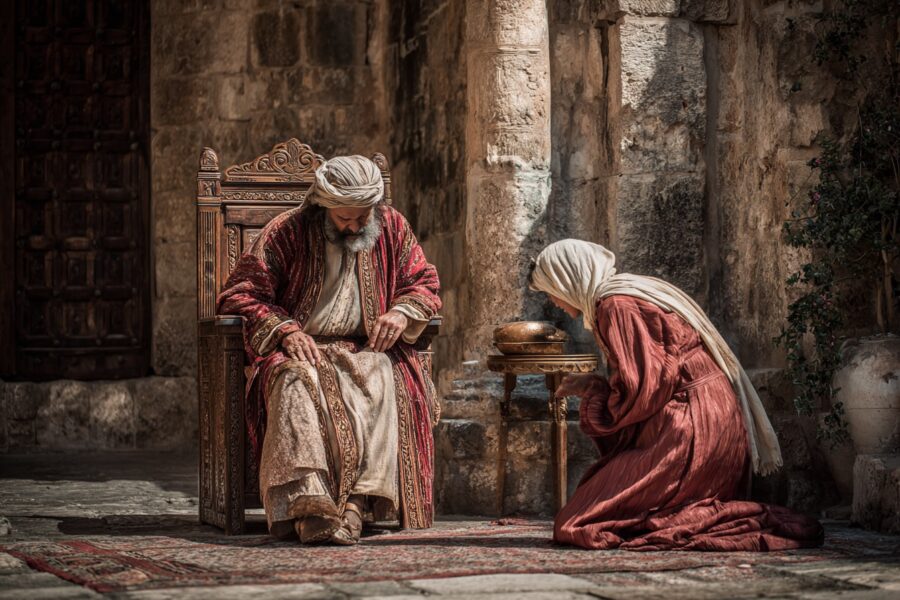
Luke 18:1‐8
Jesus told his disciples a parable about the need to pray continually and never lose heart. ‘There was a judge in a certain town’ he said ‘who had neither fear of God nor respect for man. In the same town there was a widow who kept on coming to him and saying, “I want justice from you against my enemy!” For a long time he refused, but at last he said to himself, “Maybe I have neither fear of God nor respect for man, but since she keeps pestering me I must give this widow her just rights, or she will persist in coming and worry me to death.”’
And the Lord said ‘You notice what the unjust judge has to say? Now will not God see justice done to his chosen who cry to him day and night even when he delays to help them? I promise you, he will see justice done to them, and done speedily. But when the Son of Man comes, will he find any faith on earth?’
Reflection
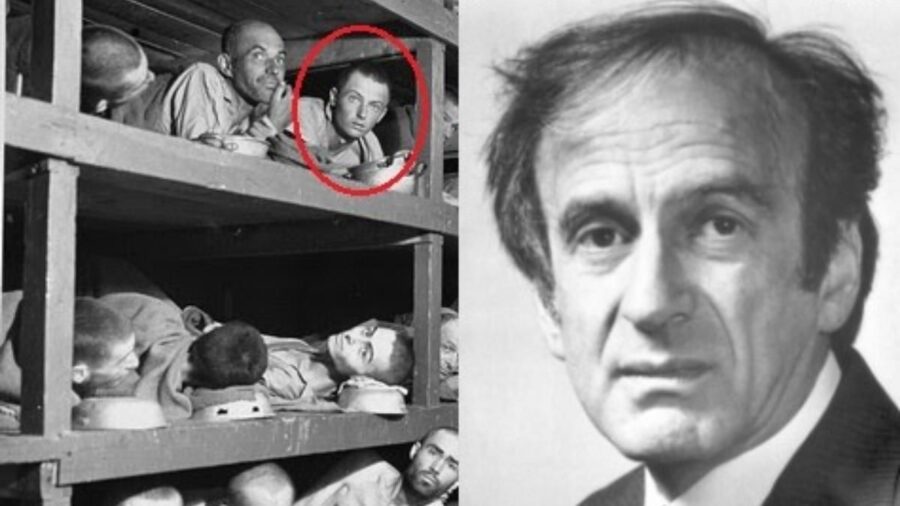
Elie Wiesel was a Romanian-born Nobel laureate, political activist and Holocaust survivor. Having endured the horrors of genocide, he spent the remainder of his life writing and speaking about indifference, which he believed was the ultimate contradiction to all that should be good, beautiful, and loving in our world. In 1979, Wiesel published a play called ‘The Trial of God’. While the setting and timing of the play were fictional, the happenings in the play were based on actual events which Wiesel himself had witnessed in Auschwitz as a young teenager.
In their crowded cabin, three Rabbis—all erudite and pious men—decided one winter evening to indict God for allowing his children to be massacred. The trial lasted several nights. Witnesses were heard, evidence was gathered, conclusions were drawn, and in the end, a unanimous verdict was given: the Lord God Almighty, Creator of Heaven and Earth, was guilty of failing to protect them from the holocaust. Once the verdict was given, there was, Wiesel describes, an “infinity of silence”. But the silence was broken when one of the Rabbis said, “It’s time for evening prayers”. All present, having wrestled with God, confronted God with their rage and pain finding Him culpable, rose together in prayer to Him.
Their willingness to keep praying acknowledged on one hand, human inadequacy in fully understanding divine will. But on the other, it signified their commitment to continually strive to have faith in God, to trust Him, to always converse with Him, despite the troubles of their lives and world.
This is what Jesus encourages in our Gospel, to pray continually and never lose heart. Prayer is the one aspect of Faith that is common to every religion. While we might differ on aspects of dogma, creed and instruction, every religion encourages prayer. The Catholic Church defines prayer as “…the raising of one’s mind and heart to God.” Prayer is therefore communication with God in word, celebration, and silence.
Communication translates as ‘one with.’ So, in prayer, we seek to become one with God, growing in relationship with Him where not only do we talk and listen, but also petition, thank, and very often, wrestle with Him.
Wrestling with God is important to acknowledge because as we all might agree with – prayer, like life itself, can be very difficult and frustrating. We pray and we pray for something to happen or not happen, for a good outcome, for a cure, to mention just a few things. We pray and we pray and if it does not work out as we hoped, it can make us feel angry, hurt, even doubtful about Him whom we thought was there to listen and respond. But that is not prayer.
Prayer is the raising of the mind and heart to God. Prayer is not about forcing God into our way of thinking or coercing Him into giving us what we want. It is about us coming into God’s way of thinking, trusting that in the end, all will work as is His will is for us, and as our need is. Christ Himself had to face that.
Think of Jesus in the garden of Gethsemane, praying ferociously that His struggle could be avoided: “Father, take this cup away from me.” There, Jesus is wrestling with God but through that wrestling, His prayer allows Him to see what God wants of Him, and how He needs to have a radical trust: “Father, let your will be done not mine.” That trust gave Him the courage to face and overcome His ordeal. So, too for us.
Where the light of God’s presence and answers shine, may be quite different to where we expected to find them. Yet, they shine none the less.
Friends, let us heed the encouragement of Christ today, let us always pray and never lose heart. Prayer helps us to keep faith, hope, and love, even if we judge God culpable for all that can be difficult in our lives and in our world. It helps us to remain engaged with Him, and to work for all that is good, beautiful, and loving in our world. It helps us all to be missionaries of hope to the world.
Fr. Richard